PP 3. Authoritarian Media
North Korean Television

North Korean television (KCNAWATCH.ORG) is a critical component of the state-controlled media landscape, reflective of the country’s authoritarian regime. Media in North Korea serves primarily as a tool for propaganda, aimed at controlling public perception and maintaining the regime's tight grip on power. Television, as one of the most consumed forms of media, plays a particularly significant role in shaping the beliefs and ideologies of North Korean citizens.
The Korean Central Television (KCTV) is the country's only television channel, and it broadcasts domestically. Viewers in North Korea have limited access to information from the outside world. The state monopolizes all forms of media, and foreign broadcasts are completely banned. This media monopoly means that KCTV is responsible for providing all news and entertainment, which are heavily curated to align with government interests.

KCTV also features entertainment programming, including dramas, comedies, and variety shows. However, these programs are also heavily censored and designed to reinforce state ideology. Storylines often revolve around themes of patriotism, collective spirit, and the sacrifices made for the country’s achievements. By integrating these themes into entertainment, the regime seeks to normalize its ideology and reinforce its power in the everyday lives of citizens.
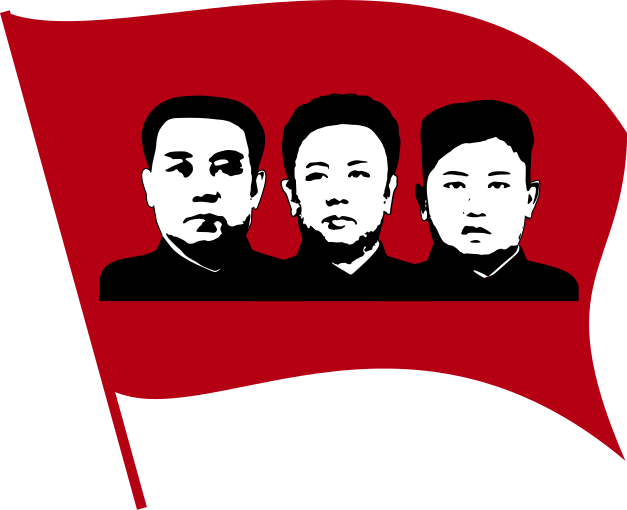 North Korean television (38NORTH.ORG) does not merely aim to inform; it works to indoctrinate. The broadcasts are crafted to create a cult of personality around the leaders, portraying them as near-mythical figures deserving of unwavering loyalty and respect. The visual and audiovisual components—such as dramatic music, carefully designed visuals, and celebratory imagery—serve to invoke emotional responses from viewers. This emotionally charged media landscape is designed to distract from any criticisms of the regime and to strengthen the allegiance of the populace to its leaders.
Another aspect of North Korean television is its role in social control. By disseminating a consistent and omnipresent narrative, the state can suppress dissent and discourage independent thought. The consequences of being caught consuming foreign media, such as South Korean dramas or international news, can be severe, including imprisonment or worse. Thus, television serves not only to inform but also to enforce conformity, as citizens are socially conditioned to absorb and accept state messaging without question. Viewer engagement with North Korean television is largely passive. With no alternatives available, citizens are left to accept the state’s portrayal of reality. The lack of critical discourse or competition in the media landscape eliminates the possibility for diverse perspectives or independent journalism (BBC.COM).
North Korean television is a quintessential example of authoritarian media at work. It serves multiple functions: as a vehicle for propaganda, a means of social control, and a tool for maintaining the regime's foundation of power. By limiting access to outside information and overtly promoting state ideology through curated programming, North Korean television effectively shapes the beliefs and behaviors of its citizens while suppressing dissent and independent thought. Observers of North Korean society must recognize the profound impact that such a media environment has on public consciousness and the implications it has for the country's future (THERECORD.MEDIA).
This was written with the help of A.I.

Comments
Post a Comment